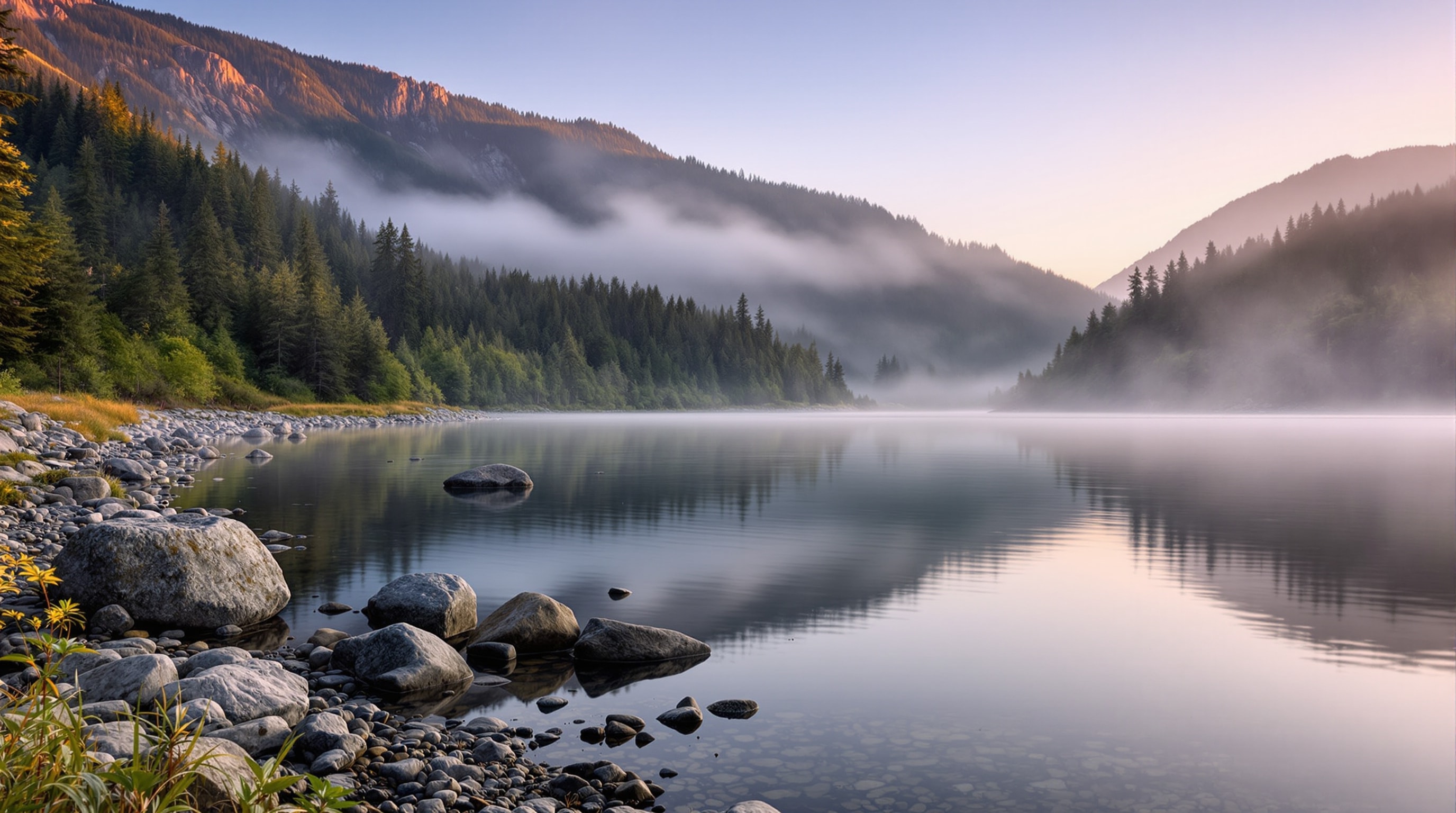
Quiet water, cool mountain air, and a shoreline you can fish or paddle at your own pace — Lake San Isabel is a rewarding stop for anglers and non-motorized boaters alike. Here is what to expect on and in the water.
Fishing the reservoir
The lake is a popular trout fishery, stocked and managed as part of the Colorado recreation system. Rainbow and brown trout are the usual quarry, and the compact water gives shore anglers a real chance without a boat. Bank anglers work the accessible shoreline, while those in kayaks and canoes reach quieter coves and the deeper middle. As with any high-country water, success rewards patience: fish early or late, watch how the light plays on the surface, and adjust as the day warms. Accessible fishing access at the recreation area makes the lake welcoming for anglers of all abilities.
Before you cast, make sure your paperwork is in order. Anyone 16 or older needs a valid Colorado fishing license, and regulations on limits, bait, and seasons can change from year to year. Colorado Parks and Wildlife is the authority for current licenses and rules — check it before your trip rather than relying on memory or on last year's regulations.
Tactics for high-country trout
Mountain trout can be finicky, so a light, adaptable approach usually pays off. Many anglers do well with small spinners, spoons, or classic bait rigs from the bank, while fly anglers watch for hatches in the calm mornings and evenings. Fish tend to hold deeper as the sun climbs, then move shallow again toward dusk. If one spot goes quiet, move — the lake is small enough to work several stretches of shoreline in a single outing.
- Best times — the first and last hours of daylight, when the water is calm and cool.
- From shore — spinners, spoons, and bait along accessible banks.
- From a boat — reach the middle and the far coves that shore anglers cannot.
Non-motorized boating
Gas motors are not allowed on the lake, which is exactly what keeps it so pleasant. Kayaks, canoes, stand-up paddleboards, and small rowboats have the water to themselves, and the compact size means even beginners can explore the whole shoreline in a relaxed outing. A morning paddle before the breeze picks up is one of the finest simple pleasures the area offers. Bring your own craft and check current launch details on the recreation area page, since facilities and access can vary by season. A life jacket is essential, and mountain water stays cold even in July — cold enough to matter if you go in unexpectedly.
Fishing the right way
A little care keeps the fishery healthy and the setting pristine. If you plan to release fish, handle them gently with wet hands and return them quickly to the cold water; if you keep a few for the pan, respect the current limits and clean your catch away from the shoreline and camp. Pack out every scrap of line, bait containers, and tackle packaging — monofilament is deadly to birds and wildlife — and give other anglers room along the bank. Small courtesies keep this a place worth casting into for the next visitor.
Fishing through the seasons
Open water fishing runs from spring thaw through fall, peaking in the mild months when the lake is easy to reach and pleasant to sit beside. Spring and early summer often fish especially well as the water warms and insects return. When the surface freezes, the sport does not stop — hardy anglers drill through for winter trout. If a cold-weather trip appeals, read our notes on ice fishing in winter. Either way, the lake pairs naturally with the rest of a visit; see the lake overview and think about staying overnight to catch that perfect dawn.