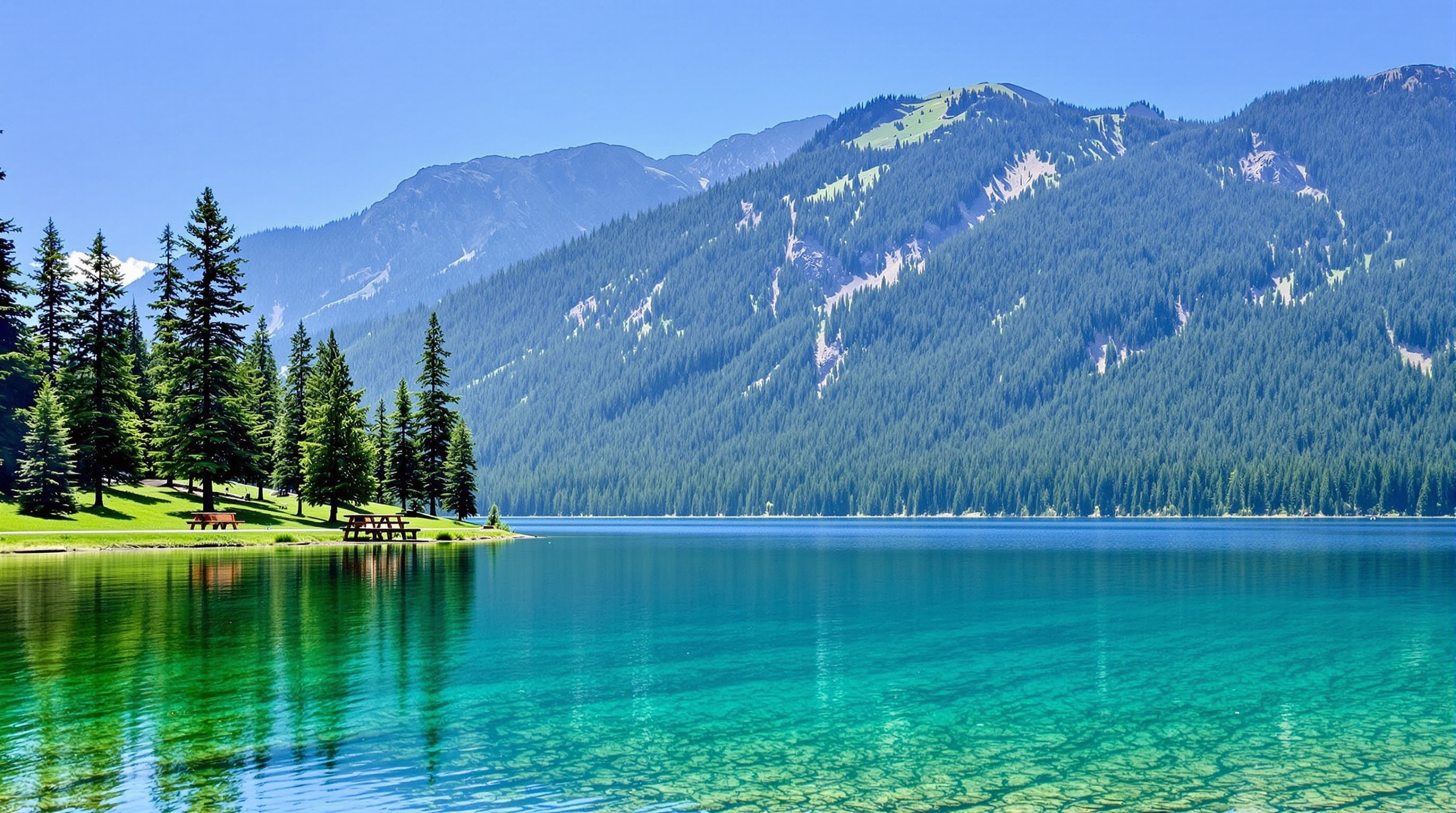
Small, clear, and cradled in forest, Lake San Isabel is the reason many travelers first find their way up State Highway 165. The compact reservoir anchors a day-use recreation area in the San Isabel National Forest and gives the whole community its name and its rhythm.
A lake with a history
Lake Isabel is a reservoir rather than a natural lake. It was formed in the 1930s when the St. Charles River was dammed, part of a Depression-era effort in which Civilian Conservation Corps crews built much of the surrounding recreation area's early infrastructure — the roads, the picnic grounds, and the stonework that still gives the place its rustic character. Nearly a century later it remains a compact, walkable lake — large enough for a satisfying paddle, small enough to circle on foot in an easy afternoon.
Today the lake is managed as the Lake Isabel Recreation Area within the Pike and San Isabel National Forests. The U.S. Forest Service keeps current details on facilities, fees, and seasonal access; the official Lake Isabel Recreation Area page is the authority for planning a day here. That heritage is part of the appeal: this is one of Colorado's classic old forest recreation areas, shaped by hand and gently maintained ever since.
On the water
The lake is reserved for non-motorized boating, which keeps it quiet and clean. Kayaks, canoes, paddleboards, and small rowboats are all at home here, and the modest size means you can explore every cove without ever feeling rushed. Because gas motors are not permitted, the loudest sound on a summer morning is usually a bird or a distant paddle. For a closer look at time on the water and what swims beneath it, see our page on fishing and boating.
The shoreline trail
A gentle path traces the water's edge, making the full loop one of the most accessible walks in the region. It is a favorite for families, casual strollers, and photographers chasing reflections at dawn and dusk, and it takes most visitors well under an hour at an easy pace. From the shoreline loop, longer routes climb into the surrounding forest — see the hiking trails page for the full range, from lakeside ambles to steep Wet Mountain climbs. Keep an eye on the reeds and shallows for the wildlife around the water, from dabbling ducks to browsing deer at the forest edge.
Photographing the lake
The lake photographs beautifully, and the timing matters more than the equipment. The first hour after sunrise is the reliable one: the water goes glassy before the day's breeze picks up, mist often sits over the surface, and the low light warms the pines on the far shore. Late afternoon brings the opposite mood, with the ridges throwing long shadows across the water and the aspens glowing in autumn. The shoreline path gives you the whole circumference to work with, so walk a little further than the obvious viewpoint near the parking area. Overcast days are better than they look, softening the contrast that midday sun drives to extremes.
Day use and picnicking
The recreation area is built for unhurried days outdoors. Picnic sites, shaded tables, and accessible fishing access make it easy to settle in for a few hours with a lunch and a book. Vault toilets and day-use parking serve visitors, though services are deliberately simple — this is a forest recreation area, not a developed park, so bring what you need. Several campgrounds sit nearby for those who want to stay overnight, and a historic cabin is available through the federal booking system. Details are on our camping options page, and the cabin itself can be found via the historic Lake Isabel cabin on Recreation.gov.
When to go
The lake is at its liveliest from late spring through early fall, when the water is open and the days are warm. Weekends draw the most visitors, so a weekday trip or an early start rewards you with quieter shoreline and better wildlife sightings. Autumn brings gold aspens and cool, clear air, while in winter the character changes entirely, with the frozen surface drawing ice anglers and the surrounding forest inviting snowshoers. Plan your timing with our seasons and weather notes, and remember that even midsummer nights turn cold at this elevation.