At roughly 8,600 feet, San Isabel has real mountain weather — but it is famously sunny and, for the elevation, notably gentle. Understanding the seasons is the key to timing a trip you will remember for the right reasons.
The high-country climate
The area enjoys around 300 days of sunshine a year, which is part of why it has drawn visitors for so long. Summer days are mild, with temperatures that rarely climb past 80 degrees and nights that cool comfortably into the fifties. Afternoon thunderstorms are common in July and August, typically brief but worth planning around, since lightning is a real hazard on high, open ground. Winters are milder than the altitude suggests: snow falls, but storms often pass within a day and give way to brilliant sun that sets the snowy pines glittering.
Summer: the classic season
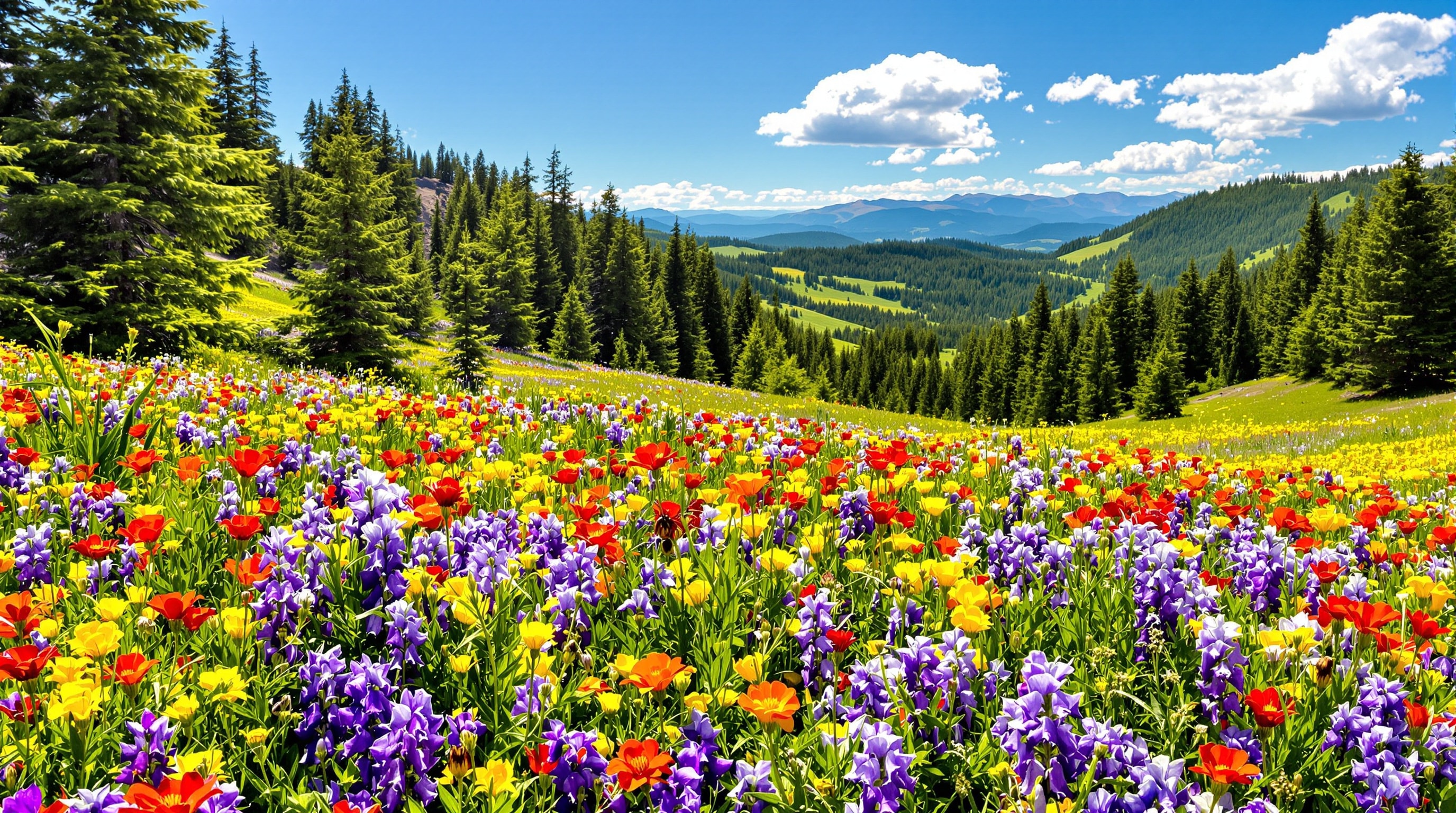
June through August is peak time, and for good reason. The lake is open for paddling and fishing, the trails are clear, the wildflowers peak in July, and the long days invite full itineraries. It is also the busiest window, so weekends fill up and reservations matter. Start outdoor plans early to beat the afternoon storms, and enjoy cool evenings perfect for star gazing. This is the ideal time to explore the lake in full and to string together several days of easy outdoor living.
Reading an afternoon storm
Summer storms here follow a rhythm worth learning. Clear mornings build cloud over the ridges by late morning, the towers go dark and hard-edged in the early afternoon, and the rain arrives in a short, heavy burst before the sky clears again by evening. The practical response is simple: start early, be off high open ground and away from exposed water by around noon, and treat the first distant thunder as the signal to turn rather than the signal to hurry. Rain itself is rarely the problem — lightning, slick rock, and a fast-cooling body are. A light shell and a dry layer in the pack turn a soaking into an inconvenience.
Autumn: gold on the slopes
September and early October may be the finest time of all. The aspens turn brilliant gold, the crowds thin, the air turns crisp, and the summer storms fade into steady, clear days. It is prime time for scenic drives and quiet hikes, though nights grow cold and the first snows can arrive by late in the season. Bring layers, savor the calm, and time a fall drive along the byway for the peak color, which usually rolls through the high country in late September.
Winter and spring
Winter transforms the area into a peaceful snowscape suited to snowshoeing, cross-country skiing, and ice fishing — see our dedicated page on winter recreation. Roads are generally maintained but can ice up, so watch conditions and carry traction. Spring is a soft shoulder season: the snow recedes, the streams run full with melt, and wildlife returns, though higher trails may stay muddy or snow-covered into May and the lake can be slow to fully thaw. It is a quiet, uncrowded time to have the forest nearly to yourself.
- Summer — warm days, open water, busiest; watch for afternoon storms.
- Autumn — golden aspens, crisp and quiet; cold nights.
- Winter — mild for the altitude, snowy, superb for snow sports.
- Spring — running water, returning wildlife, uncrowded and muddy up high.
Adjusting to the altitude
For visitors arriving from lower elevations, the thin air is the single biggest adjustment — bigger than the temperature or the storms. At 8,600 feet the body works harder, dehydrates faster, and tires sooner, and a night or two to acclimate makes a real difference before any strenuous outing. Drink water steadily, go easy on alcohol the first day, ease into hikes, and pay attention to headaches or nausea, which are signals to rest and descend if they worsen. Handled sensibly, the altitude is simply part of the mountain experience rather than an obstacle to it.
Packing and planning
Whatever the month, altitude is the constant. Expect strong sun, cool nights, and rapid weather changes, and pack layers, sun protection, and plenty of water — dehydration and mild altitude effects catch many lowland visitors off guard. Give yourself time to acclimate, ease into strenuous activity, and drink more than you think you need. Check the forecast from the National Weather Service and current forest conditions before you travel, and review getting here for seasonal road notes. A little preparation turns San Isabel's mountain weather from a worry into part of the adventure.